



Iran sharply rejected any notion of negotiations with the United States on Wednesday, directly contradicting President Donald Trump’s claim a day earlier that talks were underway.
The public rebuke highlights the deep mistrust between the two nations and underscores the fragility of efforts to resolve tensions over nuclear proliferation and regional security.
Newsweek has contacted the State Department via email comment.
Why It Matters
The standoff underscores the perilous state of U.S.-Iran relations, especially as military action and regional conflicts continue to escalate tensions. Earlier this year, Washington supported Israel’s 12-day war against Iran.
These events deepened Tehran’s distrust of direct negotiations, signaling that any attempt at diplomacy faces significant obstacles. The divide complicates U.S. efforts to secure a deal on nuclear proliferation while keeping the broader Middle East stable.
What to Know
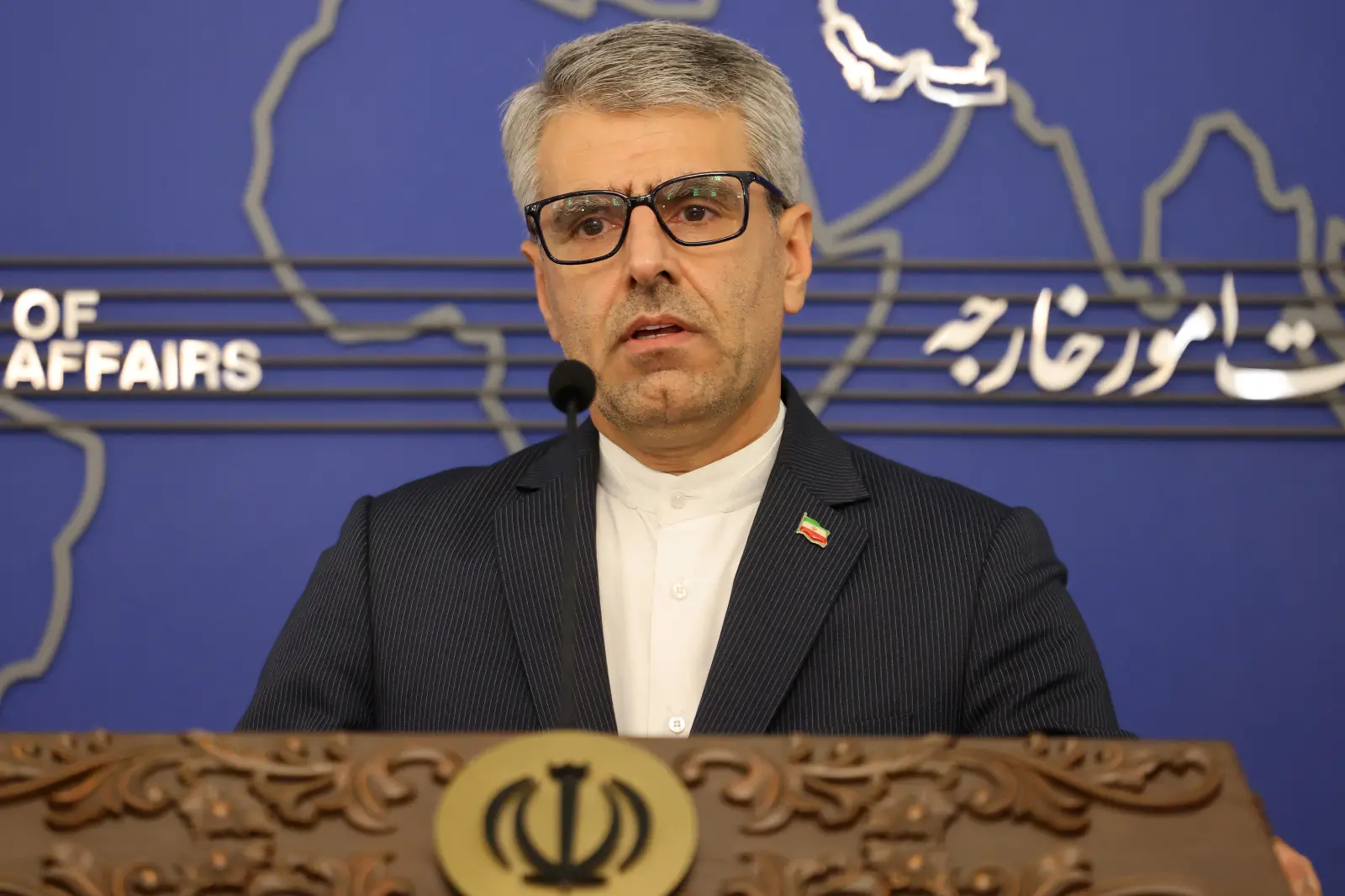
“There is no process of negotiation between Iran and the United States,” Foreign Ministry spokesman Esmaeil Baghaei told reporters in Tehran on Wednesday. Baghaei reiterated Iran’s long-standing position that engaging with the U.S. is illogical while Washington continues to prioritize military pressure over diplomacy. “As the foreign minister has said many times, talking to a side that does not believe in mutual respect and takes pride in military aggression against Iran has no logical justification,” he said.
Trump’s Iran Claim
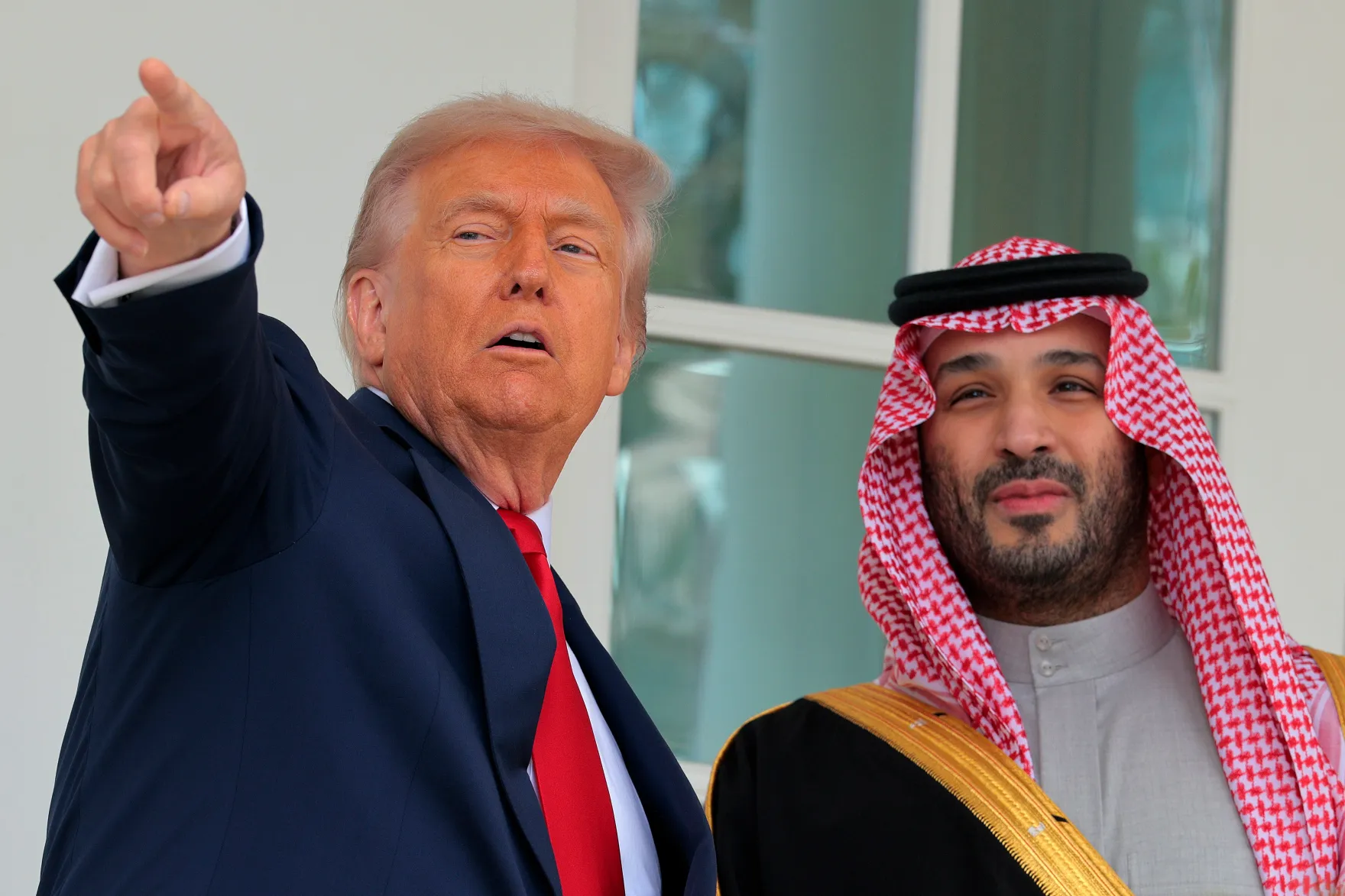
On Tuesday, Trump told reporters at the White House that he believed Tehran was eager for an agreement. Speaking alongside Saudi Crown Prince Mohammed bin Salman, Trump said, “I am totally open to it, and we’re talking to them, and we start a process.” He added, “It would be a nice thing to have a deal with Iran,” suggesting that Saudi support could facilitate negotiations. While Trump presented an optimistic narrative, Tehran’s comments indicate the reality on the ground remains far more complex.
Nuclear Talks
Washington and Tehran engaged in talks earlier this year over Iran’s nuclear program and regional influence. However, those discussions stalled following heightened military tensions. In June, Israel conducted a 12-day campaign targeting Iranian interests, and the U.S. subsequently carried out strikes on key Iranian nuclear facilities. These events underscored the volatility of the region and contributed to Tehran’s reluctance to reenter negotiations.
President Pezeshkian’s Letter
Baghaei also addressed reports suggesting that Iranian President Masoud Pezeshkian had sent a message to the Saudi crown prince, clarifying that the communication was strictly bilateral and did not involve the U.S.
In response to Trump’s claim that the U.S. was in talks with Iran, Mohammed bin Salman, widely known as MBS, told the president that Riyadh was ready to help facilitate a deal. “I will be working closely on the issue, and we will do our best to help reach a deal between America and Iran,” he said.
Meanwhile on Wednesday, International Atomic Energy Agency (IAEA) director general Rafael Grossi said the agency is in regular contact with Iranian authorities to ensure full inspections of Tehran’s nuclear sites.
“Our inspectors are back in Iran and have carried out inspections at facilities unaffected by June’s [Israeli and American] attacks, but more engagement is needed to restore full inspections,” Grossi wrote on X following the IAEA’s Board of Governors meeting.
What People Are Saying
Iran’s Foreign Ministry spokesman Esmaeil Baghaei: “There is no process of negotiation between Iran and the United States,”
U.S. President Donald Trump: “Iran does want to make a deal. I think they very badly want to make a deal. I am totally open to it, and we’re talking to them, and we start a process.”
Saudi Arabia’s Crown Prince Mohammed bin Salman: “We believe it’s good for Iran’s future to have a good deal that would satisfy the region and the world. So we will do our best to see that they happen.”
What Happens Next
As both sides maintain contrasting public narratives, the prospects for immediate U.S.-Iran negotiations appear limited. Any progress would require a significant shift in policy or diplomatic approach from either Washington or Tehran, particularly in addressing military confrontations and regional disputes. For now, the situation remains a delicate standoff, with indirect channels and international intermediaries continuing to monitor the evolving dynamics.